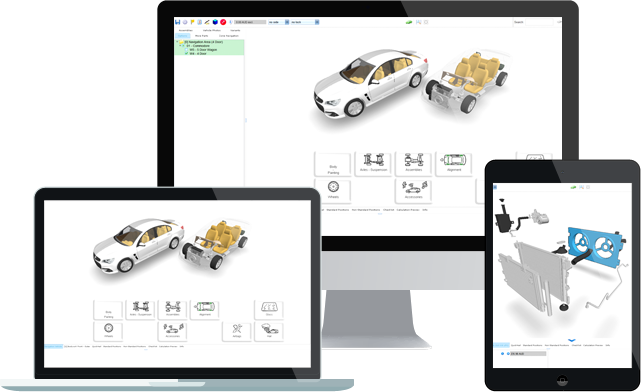
Autodata supports you with dedicated modules that precisely define the procedures for checking and replacing batteries, as this is no longer as simple as it used to be. Vehicles are becoming increasingly complex and so are battery replacement procedures. In addition to the battery replacement procedure, Autodata also provides diagrams showing the locations and procedures for disconnecting batteries; instructions for preparing the battery for disconnection and a list of electrical components that need to be reset after reconnecting the battery.

In addition to the battery disconnect and reconnect module, Autodata offers many other modules that are useful for winter servicing. Including electrical component locations, wiring diagrams, wheel alignment, tire pressure and tire pressure monitoring systems, and air conditioning.
Therefore, we suggest that you contact your customers and not wait for them to come due to a breakdown. If you have a customer database, use it. Don’t scare them, but get in touch and inform them of the increased risks during the winter.
Building genuine relationships with your customers is very important and the cheapest and most important form of marketing. By contacting them, you confirm that you care.
A winter inspection usually includes an inspection of the following components:
- battery,
- brakes,
- coolants,
- oil, brake fluid and clutch fluid levels and condition,
- heating and air conditioning systems,
- light bulbs,
- tire condition, pressure and tread depth,
- wipers and windshield washer system,
- door locks and seals (if necessary)
- drive shaft cuffs,
- belts.