

Today, running a workshop is much more complex than it was ten years ago. Vehicles are getting smarter, diagnostics are more complex, and customers are more demanding. In addition, service days often start with a full list of orders that require precise organization and a fast response.
In such an environment, digitalization is no longer just “something for big workshops”. It is actually one of the most pragmatic ways a workshop can save time, reduce stress, improve the quality of work and become more competitive. Numerous European studies confirm that digital tools increase productivity, reduce errors and make workshops more resilient to upcoming trends.
Why is there so much talk about digitalization today?
The European Union is strongly promoting the digital transformation of all sectors, including transport and the aftermarket. Connected vehicles, electrification and advanced safety systems are just some of the things the future holds. For workshops, this means that this data needs to be accessed – quickly, up-to-date and reliably.
At the same time, research in Slovenia and the EU shows an interesting paradox: most small and medium-sized repair shops understand that digitalization is important, but in practice, implementation is often too slow. The most common reasons? Lack of time, staff, and a clear overview of where to even start.
But the good news is this: workshops that start digitizing on time gain a huge advantage by optimizing work, shortening procedures, and reducing unnecessary costs.
What digitalization in the workshop means in practice
When we talk about digitizing workshops, we don’t mean “switching to e-invoices” or buying a tablet. We’re talking about:
- the mechanic gets diagnostic data in a few seconds,
- the service task is clearly defined and traceable,
- communication with the customer is fast and transparent,
- the repair estimate is made accurately, without manual calculations,
- Information is no longer circulated among employees “on slips of paper”.
Digital tools enable better workflow management – less guesswork, less repetition, more transparency. This can be crucial when the workshop is at full capacity and every moment saved counts.
What benefits can digitalization bring in just 12 months?
Workshops that implement digital tools most often report the following improvements:
➡️ Greater productivity
Mechanics get faster access to information and managers get better visibility into their work. This means less searching, less waiting, and less duplication of tasks.
➡️ Fewer errors and higher quality repairs
Reliable technical data and precise work procedures reduce the risk of overlooking something or doing something “by heart”.
➡️ Saving time (and consequently money)
When data, tasks and repair estimates are digitized, the workflow is greatly accelerated. Many workshops also notice that the time it takes to prepare quotes and invoice the work is also reduced.
➡️ More satisfied customers
The customer wants transparency: what will go wrong, how much it will cost, and when the car service will be completed. Digital tools make this possible without long explanations and phone calls.
➡️ Easier to follow industry trends
As vehicles become increasingly digital, it makes sense that a workshop should be there too. Otherwise, it can quickly happen that the customer seeks repairs elsewhere.
How can a workshop start its digital journey in practice – with the help of solutions offered by Svetkom d.o.o
Digitalization sounds extensive, but it can start very simply: by introducing tools that solve concrete challenges. At Svetkom d.o.o., we offer exactly that – digital solutions that are designed for the real needs of workshops.
Solera Autodata – quick technical answers without searching
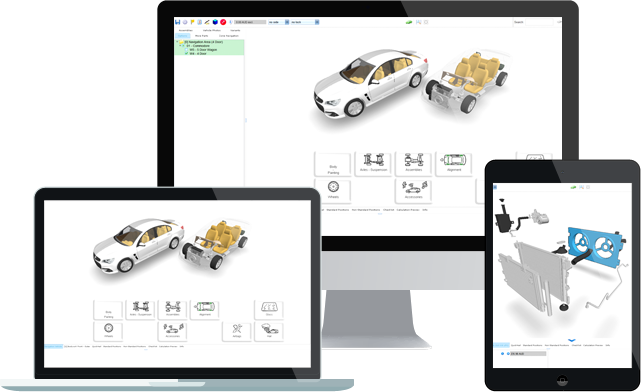
Autodata allows the mechanic to get all the technical data, diagrams, procedures and service intervals in just a few clicks
Advantages:
- fewer diagnostic errors,
- less time wasted searching,
- A reliable source of information for modern vehicles.
Solera Autodocta – an overview of every service task
Autodocta is a technical guide that presents the most common errors encountered by service technicians when repairing vehicles.
Advantages:
- each case contains a description of the error and a possible solution,
- visual display for easier repair,
- in the Slovenian language.
Solera Audatex – accurate and fast preparation of repair calculations
Audatex is the standard in damage assessment and repair.
Advantages:
- exact repair times,
- overview of materials and costs,
- transparent invoices for customers.
In practice, these solutions mean that the workshop works smarter, not harder. And that the mechanic can devote more time to actual work, not administration.
How to incorporate digitalization into your workshop operations without additional stress
You don’t have to start with big steps. The best workshops usually do the following:
- first review their existing processes,
- choose one or two digital solutions that solve the most problems,
- gradually introduce tools into the workflow,
- regularly monitor results (time, costs, customer satisfaction),
- they upgrade when they see progress.
Digitalization is not a project – it is a journey. But if the journey is right, the results are visible very quickly.
Workshops that want to remain competitive and efficient today simply have a hard time keeping up with market demands without digital tools.
But the good news is: digitalization is not complicated if you work with the right partners.Solutions such as Solera Autodata, Autodocta and Audatex prove that even a small or medium-sized repair shop can very quickly increase the quality of work, speed up processes and offer a better experience to customers.
If you want to take your workshop a step further – or take your first digital step – now is the perfect time.


